Kohlrabi is a member of the Brassica family and is selected for it's round swollen stem, primarily a winter to spring vegetable used extensively in European cooking. The name refers to 'kohl', German for cabbage and 'rabi' a variant on the word turnip.
The round stems are usually a pale green in colour, often with a fine waxy coating and may have the leaves still attached. There are some varieties that are more purple in colour, but the internals are the same. The stem characteristics inside have a firm, crisp texture, are a creamy white similar to that of a broccoli stem.
Kohlrabi can be used in many ways either raw or cooked and even the leaves are edible, used in a similar fashion to kale. When eaten raw, it has more of a celery flavour and is milder and sweeter than cabbage, usually grated for
How to prepare
Remove the stems and leaves from the kohlrabi, and these are also edible following some cooking. Trim off the outer layer to expose the internal flesh, then prepare as necessary just as you would a potato - whether sliced thinly, cut into cubes or thicker segment, grated for use fresh in salads or into strips.
Typically fresh kohlrabi would be cooked in hot water, but there are many ways to prepare.
- Baked: 15-20 minutes
- Bolied: 15 - 20 minutes
- Steamed: 8 - 10 minutes
- Sautéed: 3 - 4 minutes
Buyer's and storage guide
Fresh kohlrabi is usually sold with stems and leaves attached. These should look fresh and not too wilted. The bulbous stem should at least be firm.
Kohlrabi is susceptible to drying out, but when fresh if stored in a cool place, it will keep for a week or two. Any cut portions should be used within 3-4 days, covered in film wrap or a container. If you have an abundant supply, prepare as necessary and blanche for 3-4 minutes, pat dry and you'll be able to freeze for later use.
Serving
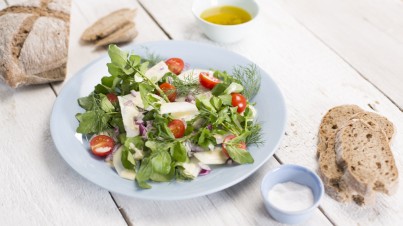
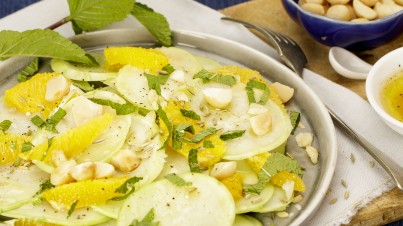
- Cut into strips or slice thinly and add to a salad with apples and hazelnuts; or combine with pears, raisins and a strong-flavoured cheese
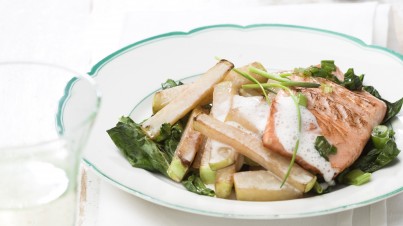
- Cooked with diced carrot and served as a tasty side dish
- Bake whole or try this idea: Scoop out the flesh and cook with some mushrooms and garlic, then return the mixture to the kohlrabi 'bowl' and bake for 20 minutes in the oven
- Trimmed into thick-cut chip shapes, partly boil then finish off with a slight pan fry as an alternative to chips
- Cut into strips to enjoy with a dipping sauce, served as appetisers