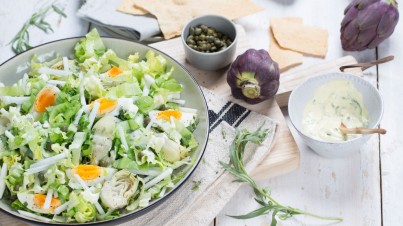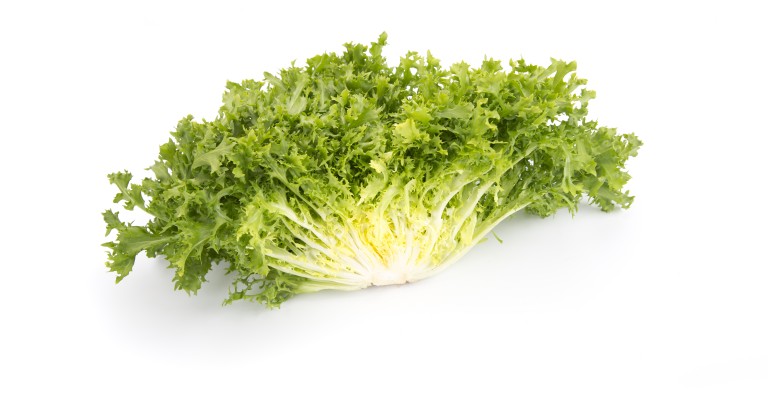
Endive is a green leafy vegetable with a slightly bitter taste, closely related to chicory (witlof). Endive which is sometimes referred to as frisee lettuce, typically have fine narrow green leaves with white stems, but come in range of types.
It is quite a versatile leaf, providing texture, taste and is decorative in salads. Predominently endive is cooked, but can also be enjoyed raw. Enjoy this vegetable as a side dish, added to hot and cold salads or on it's own.
How to prepare
Typically endive is available as a whole head or bunched. Remove any damaged or marked outer leaves and give a good wash then rinse. Cut off the base, or trim leaf bases, then cut into the desired length again washing and rinsing well. If cooking, prepare 300 to 400 grams per person and 100 grams per person to prepare for a salad. Endive shrinks when cooked, so don't fear you have too much in the pot or pan.
- Cooked: 10 - 13 minutes
- Sautéed: 6 - 8 minutes
- Microwave: 5 - 6 minutes
- Grilled: 7 - 8 minutes
- Steamed: 12 - 15 minutes
Buyer's and storage guide
When purchasing, make sure the endive looks fresh, a consistant colour and feels firm. The bottom of the stem should not be brown or appear moist.
Endive is a sensitive vegetable that should be eaten as soon as possible after you bought it. Being a leafy vegetable it needs to be stored in a cool and higher humidity environment, like the vegetable cripser with the vent closed - this will assist to prevent wilting. Should be consumed within 3-4 days.
Serving
- Stewed raw endive with strips of sun-dried tomato, fried with onions and served with peanut sauce
- As a salad with fried bacon and finely chopped onions, or added to any salad for texture and slightly bitter flavour
- Endive salad with pieces of orange and raisins
- Steamed with apple
- In a savory pie with bacon and cheese or boiled and addded to buttery mashed potato